Explore the beauty and culture of Sapa with private tours from Hanoi. Trek through lush terraced rice fields, visit traditional villages, and enjoy panoramic views of the majestic mountains, from the iconic Fansipan peak to the peaceful valleys below. Ideal for travellers seeking adventure, culture and nature on an unforgettable journey through Northern Vietnam.

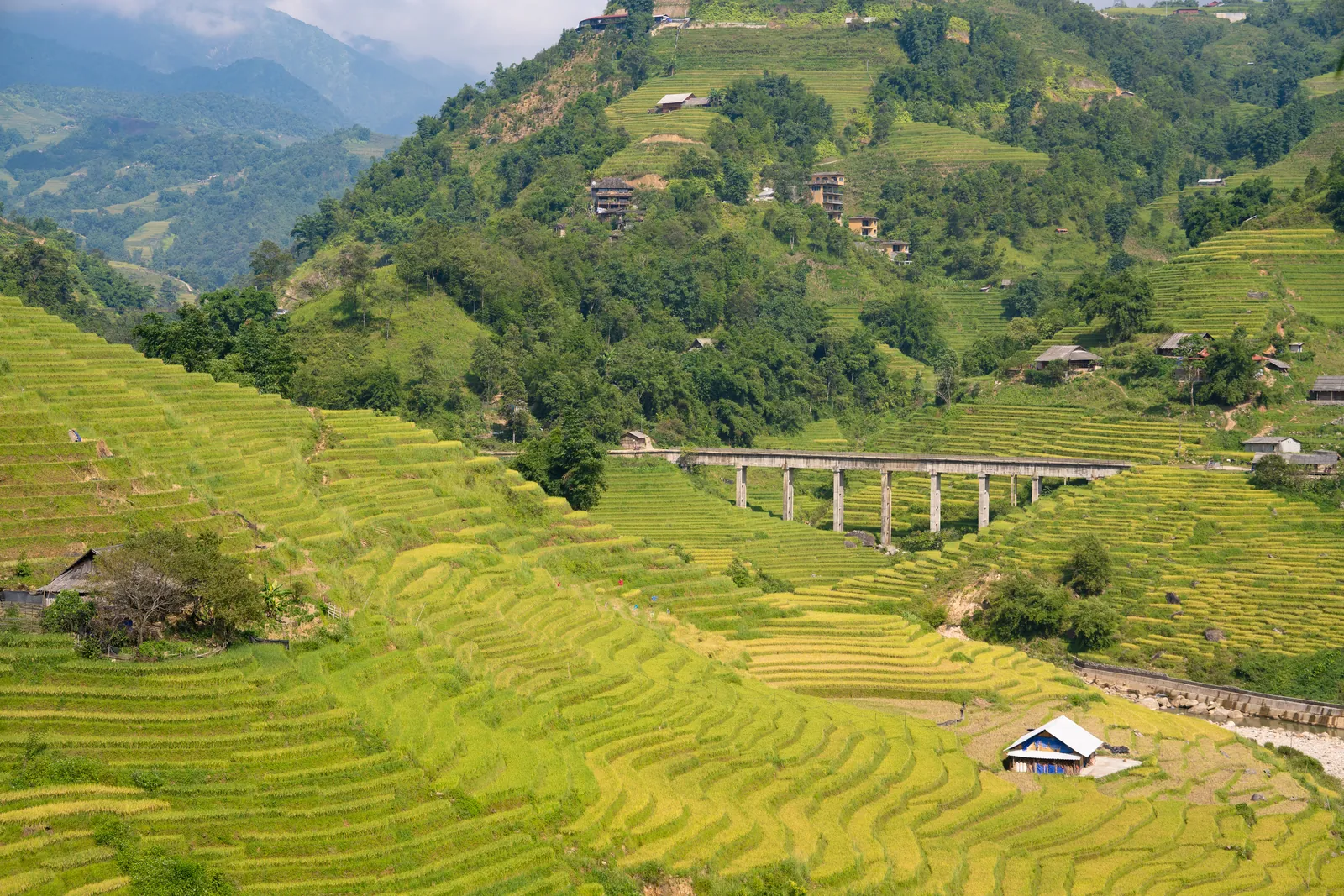
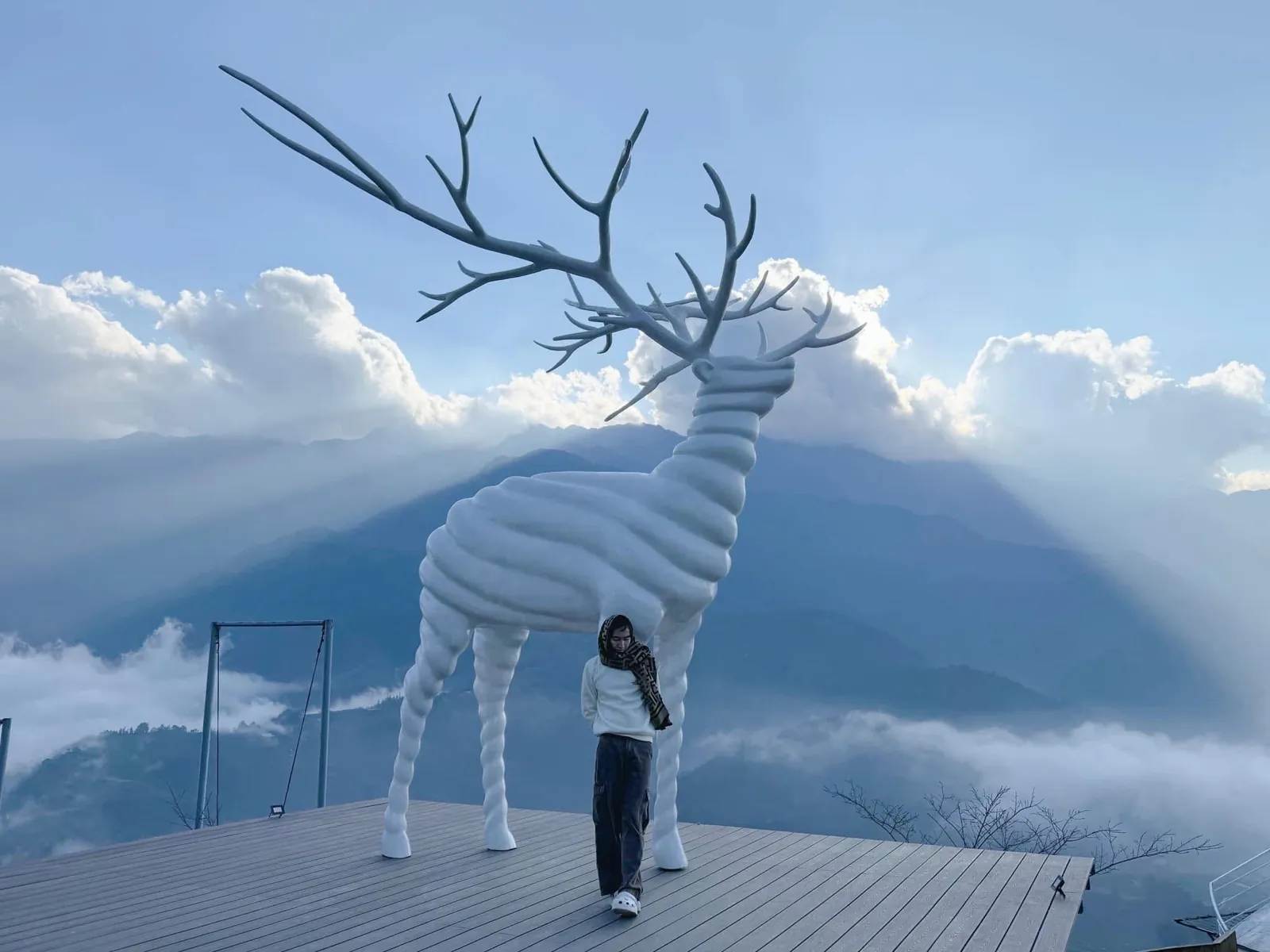
Sapa's most photogenic landscapes on a guided Insta tour, terraced valleys, ethnic villages, mountain viewpoints and the road to Fansipan, with every stop planned for beautiful photos.
Learn more →
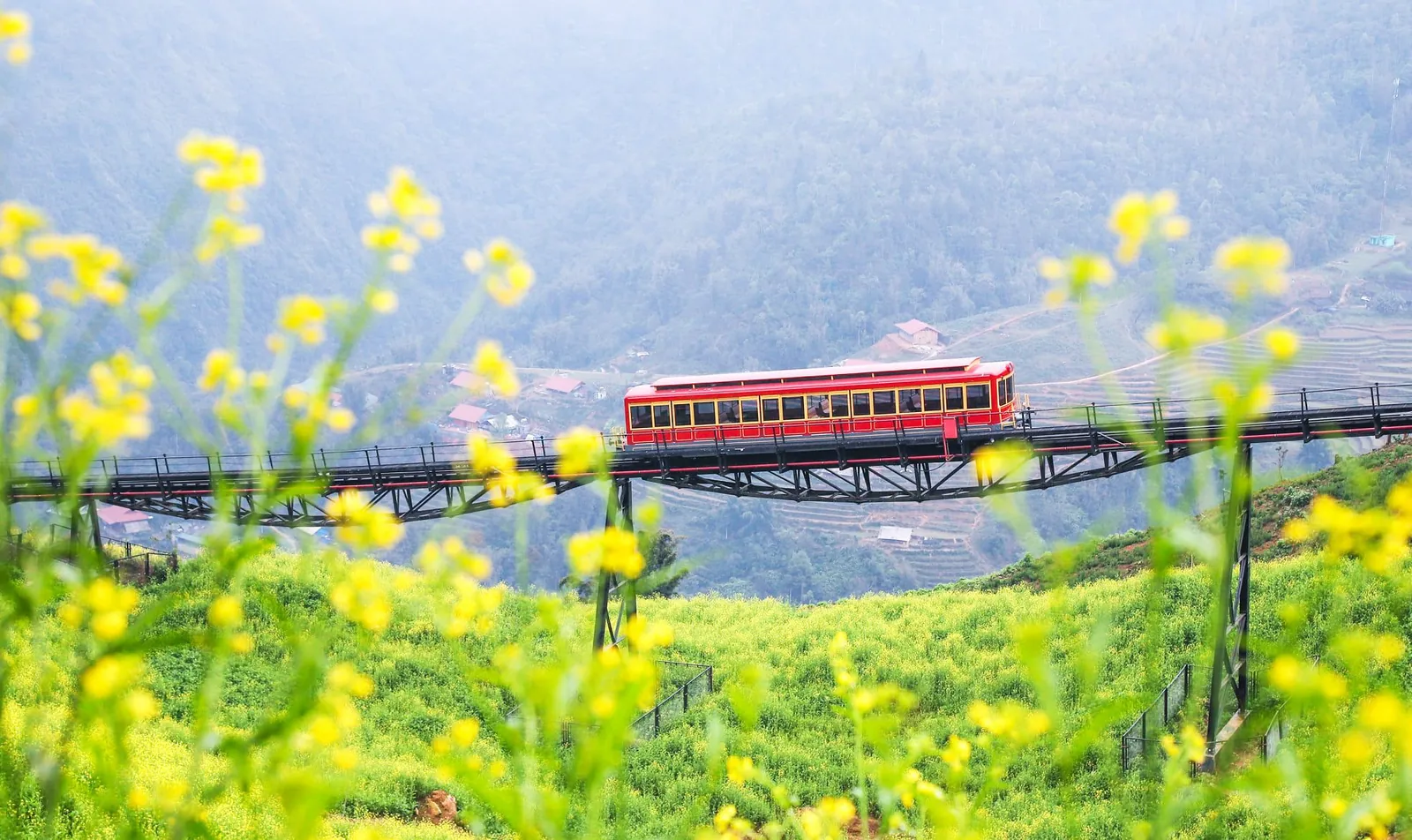
A full day from Sapa to the roof of Indochina: the Muong Hoa mountain train, Fansipan cable car and summit, then the dramatic O Quy Hồ Pass and the cliffside Rong May Glass Bridge.
Learn more →
A full-day walk through Sapa’s hidden villages: descend into the Muong Hoa Valley past Y Linh Ho, Lao Chai and Tả Van, meeting Black H’Mong and Giáy communities along terraced trails, with a local lunch included.
Learn more →
A soft-adventure day riding pillion with experienced local riders through mountain passes, rice terraces and Hmong, Giay, Tay and Dao villages, with a home-cooked village lunch. Maximum five guests.
Learn more →
A relaxed, family-friendly day: the panoramic Moana Viewpoint over Fansipan, the charming Mật Pet Farm with alpacas and rabbits, then the O Quy Hồ Pass and Rong May Glass Bridge.
Learn more →
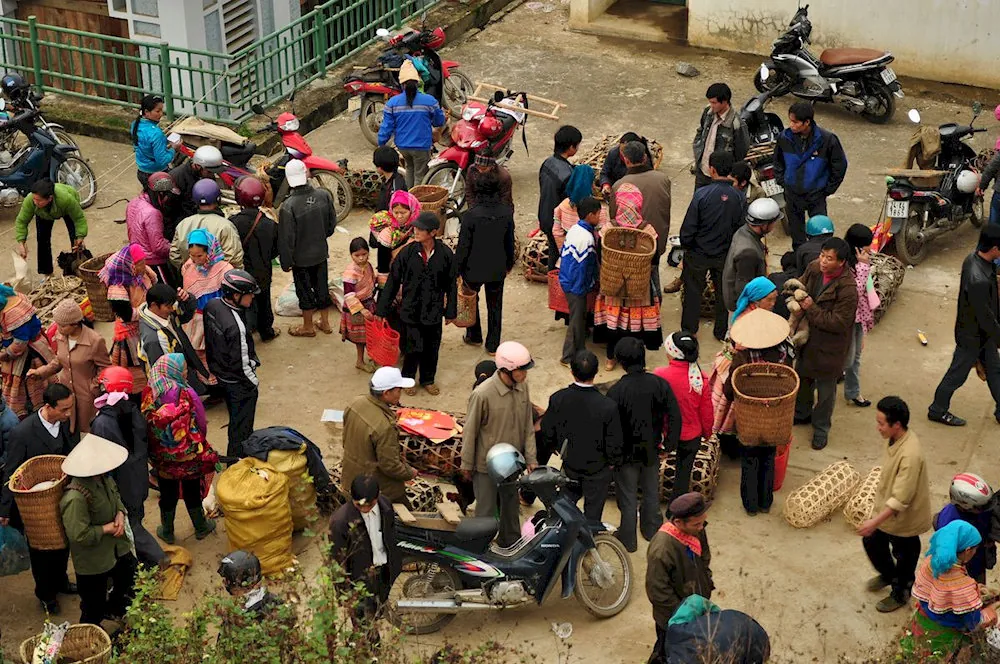
A Sunday-only journey to the largest ethnic market in the region, with its colourful Flower H’Mong stalls, followed by Ban Pho village to see traditional corn wine made. Private guide and transport.
Learn more →A Sapa tour takes you into the far northwest, almost another country - rice terraces stacked up the valleys, hill-tribe villages, and mountain air that feels like a held breath after the heat of the lowlands. Fansipan, the roof of Indochina, looms above the clouds, while the trails below wind through H'mong and Dao villages where the welcome is warm and the pace is wonderfully slow.
It sits further out than the rest of the north, so Sapa rewards travellers who are not rushing. Below you will find the experiences worth the journey, how many days to give it, and the questions we are asked most often, from the best way up from Hanoi to when the terraces look their finest.
Terraced valleys, mountain peaks and hill-tribe culture - the reasons Sapa is worth the extra miles.
The landscape
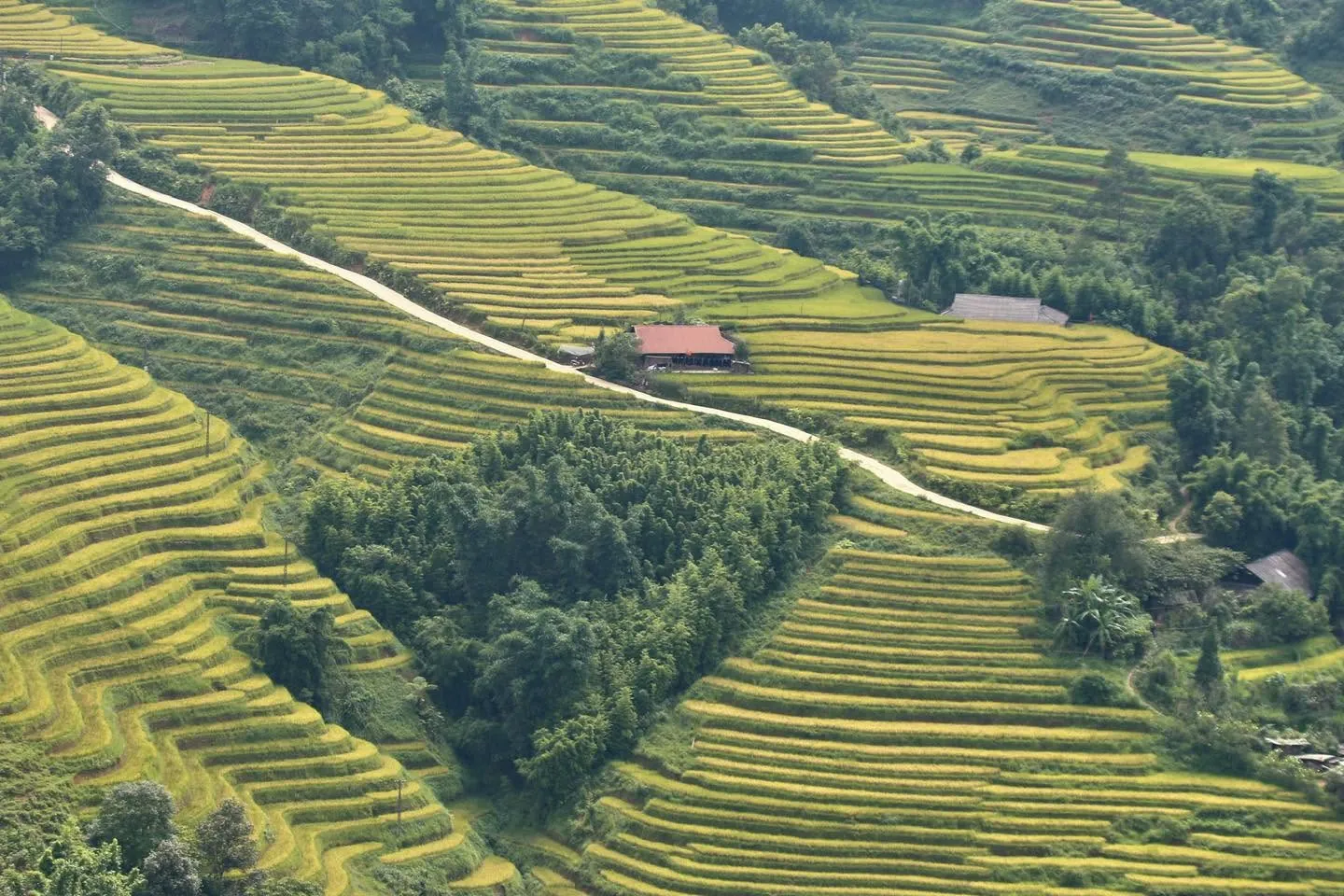
The reason most people come - rice terraces carved into the mountainsides over centuries, at their most photogenic when they fill with water in spring and turn gold before the September harvest.
On foot
Walk the valley trails to Cat Cat, Lao Chai and Ta Van, through the fields and into H'mong and Dao villages. Half a day or a full one, gentle or demanding - the walking is the heart of Sapa.
The summit
At 3,143 metres, the highest peak in Indochina, reachable by a dramatic cable car that glides over the terraces to a temple-topped summit. On a clear day the view runs for miles; in cloud it is pure atmosphere.
Staying over
Nights in a family homestay among the paddies are Sapa at its best - home-cooked food, rice wine by the fire and a morning mist over the terraces that no hotel window can match.
The town
A former French hill station wrapped in mist, with a lively market where hill-tribe traders bring textiles and produce down from the villages. A characterful base, if busier than it once was.
Nearby
The Silver and Love waterfalls and the high Tram Ton Pass - the highest road in Vietnam - make an easy scenic loop, with mountain views that shift with every bend and break in the cloud.
Sapa is a long way to come, so it pays to give it room. Here is how the days tend to work.
2 days, 1 night
Travel up overnight or by day, one good valley trek and a night in the mountains. It works, but with the journey factored in, it can feel brisk.
One trek · one mountain night
3 days, 2 nights
Our usual suggestion. Time for a longer trek, a homestay night among the paddies and the Fansipan cable car, without the whole trip feeling like transit.
Trekking · homestay · Fansipan
4 days or more
For keen walkers and those who want to go deeper. Reach the further villages, walk more of the valley and add the quieter markets of Bac Ha or the Tram Ton Pass.
Deeper valleys · Bac Ha · high passes
Three days and two nights is the sweet spot, giving you a proper valley trek, a homestay night and the Fansipan cable car without feeling rushed. Two days and one night is the practical minimum once you account for the journey, while keen walkers happily spend four days or more reaching the further villages.
The most comfortable option is the day train to Lao Cai followed by a private transfer up the mountain, or a private car the whole way on the expressway, around five to six hours. The overnight sleeper bus is cheaper but rougher on the winding final stretch. We usually favour a gentler transfer so you arrive fresh for the valley reveal.
September to early October is the classic window, when the terraces turn gold before harvest. April to May is lovely too, as the paddies fill with water and mirror the sky. Winter is cold and often misty, with a rare dusting of snow, while summer is green and lush but the wettest season. We time your visit around the terraces where we can.
If you have the days for it, yes. Sapa sits further out than the rest of the north, so it rewards travellers who are not rushing. The terraced valleys and hill-tribe villages are unlike anywhere else in Vietnam. On a very short trip it is the first thing we would trim; on a week or more, it is often the highlight.
There is a route for every level. Gentle half-day walks follow the valley floor between villages, while longer treks climb the terraces and can be muddy and steep, especially after rain. Good shoes and a local guide make all the difference. We match the walking to your fitness and how much you want to push.
Tell us about your dream trip. We specialise in Ha Long Bay, Sapa, Ninh Binh and Hanoi, and can plan the rest of Vietnam too. We'll send back a personalised itinerary with photos, prices, and everything sorted for you.
Get your free itinerary ›