Itineraries
The Ultimate 21-Day Vietnam Itinerary: North to South, at the Right Pace
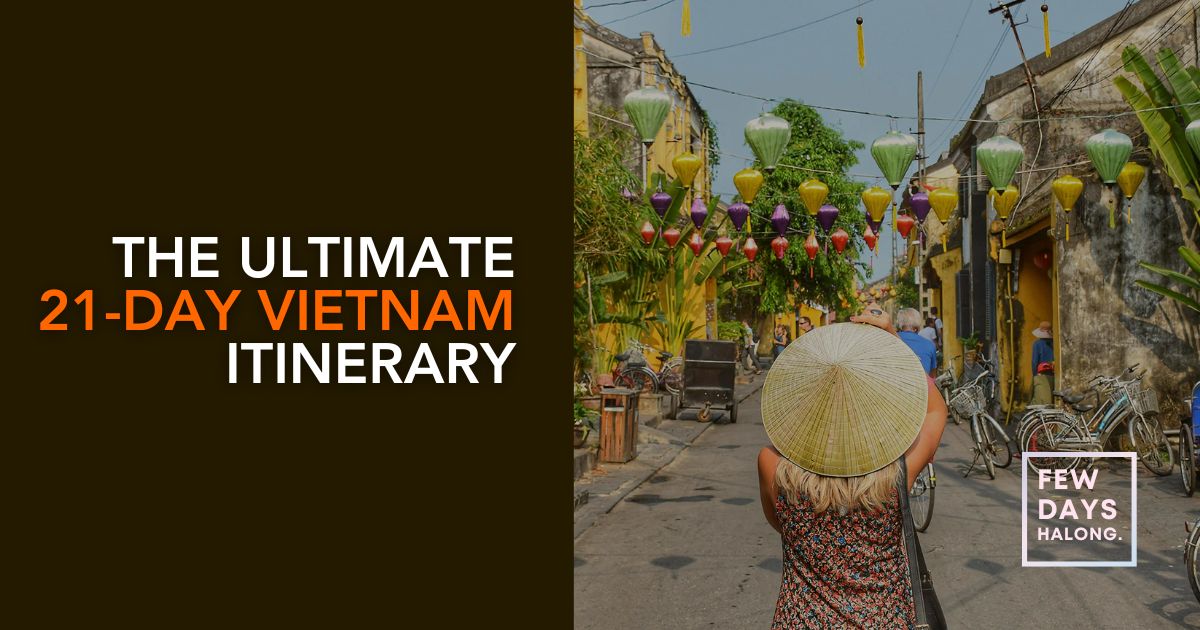
A 21-day Vietnam itinerary gives you three unhurried weeks to travel the length of the country, from Hanoi and Ha Long Bay in the north, through Hue, Hoi An and the central coast, down to Ho Chi Minh City, the Mekong Delta and the beaches of the south, without spending your holiday in transit. It is the trip most people picture when they imagine seeing Vietnam properly: time to slow down, linger where it is worth it, and still keep a day or two in reserve.
Below is how we would shape a private three-week trip for a first visit, written the way we plan them for our own travellers, arrival to departure, every boat, hotel, guide and transfer carefully chosen to fit your route. Treat it as a starting point, not a fixed template: the whole point of planning privately is that the route bends around you.
Is three weeks too long in Vietnam?
For a first trip, no. Vietnam is a long, narrow country of more than 1,600 kilometres, and the classic mistake is trying to compress it into ten days and spending half of them on planes and night trains. Twenty-one days lets you give the north its full week, cross the central belt at a human pace, and reach the south without the trip feeling like a race. If you have less time, the shorter itineraries at the end of this guide cover the same country at a tighter rhythm.
The shape of the trip
We split three weeks roughly into three: around eight days in the north, six across the centre, and five to seven in the south, with a rest day or two built in rather than bolted on. Here it is, week by week.
Days 1–3 · Hanoi
Start slow. Vietnam's capital rewards wandering more than ticking off sights, so we usually keep the first day gentle, a walk through the Old Quarter, coffee on a low plastic stool, an early night to shake off the flight. Day two takes in the Temple of Literature, the Ho Chi Minh Mausoleum complex and whichever museums suit you, with a street-food walk after dark. Day three is a buffer: a cooking class, a trip out to the Bat Trang ceramics village, or simply nothing at all before you head for the coast.
Days 4–5 · Ha Long or Lan Ha Bay

From Hanoi it is a few hours to the coast and onto the water. We almost always suggest two nights afloat rather than one: the second day is when the day boats thin out, you reach the quieter reaches of Lan Ha or Bai Tu Long Bay, and the kayaking, swimming and caves stop feeling rushed. Which bay and which boat depends on you, we choose the cruise to suit your dates and the rest of your trip. If you are weighing them up, our guide to Ha Long vs Lan Ha vs Bai Tu Long lays out the differences, and you can browse the cruises we rate.
Days 6–7 · Ninh Binh

Back on land, head south to Ninh Binh, often called the Ha Long Bay on land, all limestone karsts rising out of the rice paddies. A rowing boat through Trang An or Tam Coc, the climb up Mua Cave for the view over the river, the Bai Dinh pagoda complex, and cycling between it all. Two nights lets you do it without a dawn-to-dusk rush.
Would you rather have this planned for you?
We are private Vietnam specialists, not resellers, and we never take commission. Tell us your dates and we will build a tailor-made itinerary and run the whole trip for you, arrival to departure. Rated five-star on Tripadvisor.
Get your free itinerary ›Days 8–10 · Sapa

Then the mountains. Sapa sits in the far north-west, reached by an overnight train or a comfortable day transfer, and it is the trip's change of scenery, terraced valleys, hill-tribe villages and cooler air. We build in a proper walk or two between villages, ideally with a local guide, and a night in a valley homestay if that appeals. From here you return to Hanoi to fly south.
Days 11–12 · Hue
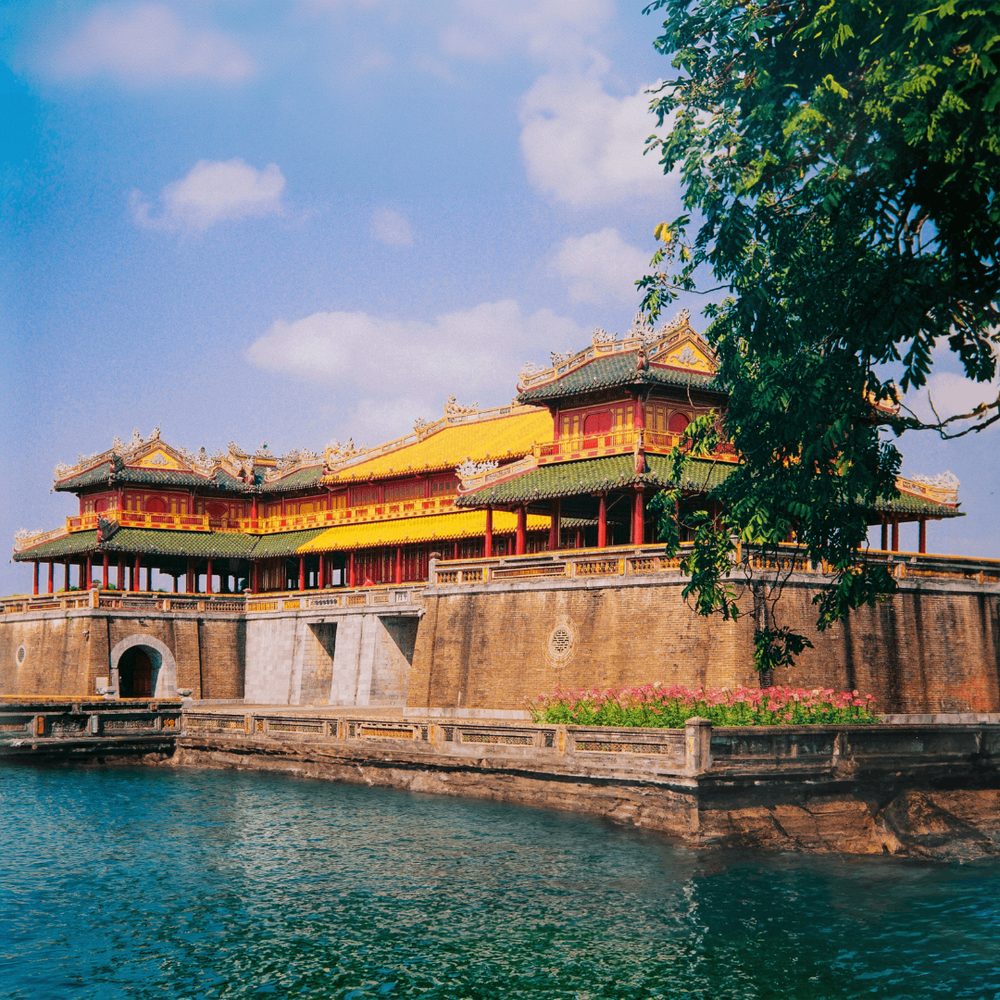
Day 10 is mostly travel, back to Hanoi and a short flight to the centre, timed so you land in Hue with an evening to spare rather than arriving frazzled. Hue was Vietnam's imperial capital, and it wears its history quietly: the Citadel, the royal tombs strung along the Perfume River, and some of the country's most distinctive food. Two nights is enough to see it unhurried, and the drive on to Hoi An over the Hai Van Pass is one of the great coastal roads.
Days 13–15 · Da Nang & Hoi An

Hoi An is where a lot of travellers slow right down. The lantern-lit old town is a UNESCO gem, the tailors are a rite of passage, and the beaches at nearby Da Nang give you somewhere to do nothing. Three nights here is deliberate, after two busy weeks, this is the trip's exhale. Cooking classes, cycling out to the rice fields, or a morning at the My Son ruins if you want more history.
Days 16–18 · Ho Chi Minh City & the Mekong Delta

Fly south to Ho Chi Minh City, faster, louder and more modern than Hanoi, and a fascinating counterpoint to it. A day in the city takes in the War Remnants Museum, the old post office and the markets; another heads out to the Cu Chi tunnels or down into the Mekong Delta, where life happens on the water. An overnight in the delta is worth it if you have the appetite for it.
Days 19–21 · Phu Quoc & home
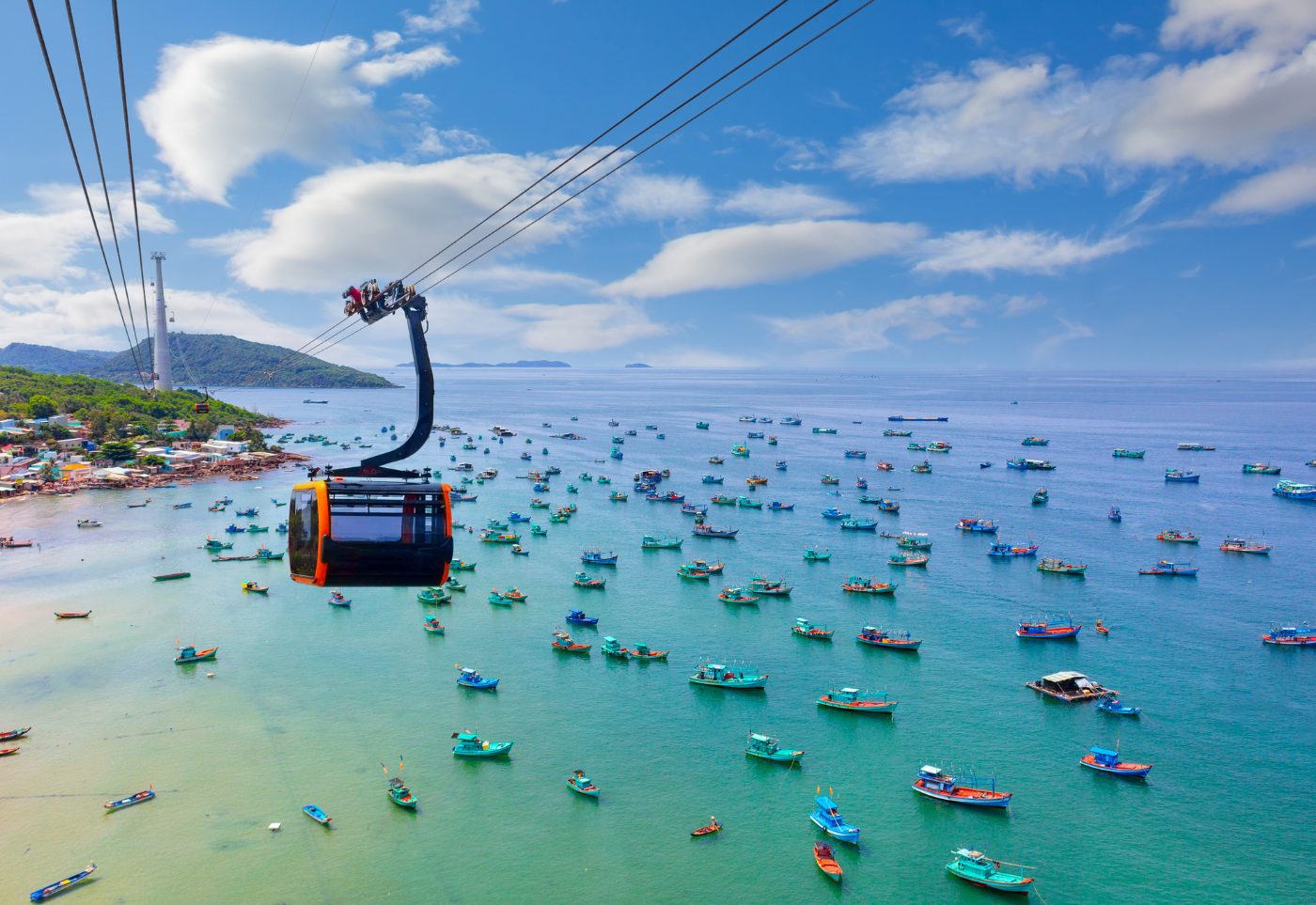
End on the beach. A short flight to Phu Quoc, Vietnam's largest island, gives you two or three days to unwind before the long journey home, swimming, seafood and nothing on the schedule. If beaches are not your thing, we will swap this for more time in the delta, the highlands around Da Lat, or a gentler, earlier finish. Day 21 is departure, and we plan the transfers so the last day is calm rather than a scramble.
How we would tailor these three weeks
No two of our trips run identically. Couples often want more of Hoi An and the bay and less city; families lean on the rest days and the beach; slower travellers drop a region rather than rush all three. Because we plan and run the whole thing ourselves, arrival to departure, we can move the pieces around without it costing you the trip.
Frequently Asked Questions
Is 21 days too long for Vietnam?
For a first visit, no. Vietnam stretches more than 1,600 km north to south, and three weeks lets you give the north a full week, cross the central coast at a comfortable pace and reach the Mekong Delta and southern beaches without living on planes and night trains.
When is the best time to go for three weeks?
Because the country spans several climates at once, no single month is ideal everywhere. March to April and October to November tend to give the most workable weather across north, centre and south together. We plan the routing around the season you can travel.
How much does a private 21-day itinerary cost?
It depends on your hotels, the cruise you choose and how you travel between regions, so we price each trip to the plan rather than to a fixed package. As private planners, we choose everything to fit your trip.
Does it cover the whole country?
Yes. Three weeks is enough to travel Hanoi and the north, the central belt around Hue and Hoi An, and the south around Ho Chi Minh City, the Mekong Delta and Phu Quoc, with rest days built in rather than bolted on.
Can families do a three-week trip?
They can, and it often suits families well because the extra days absorb jet lag, slower mornings and downtime at the beach. We adjust pacing, cabins and activities so it works for the ages travelling.
Planning your own three weeks in Vietnam?
Get your free personalised itinerary ›