Travel Tips
Is Vietnam Safe? An Honest 2026 Guide
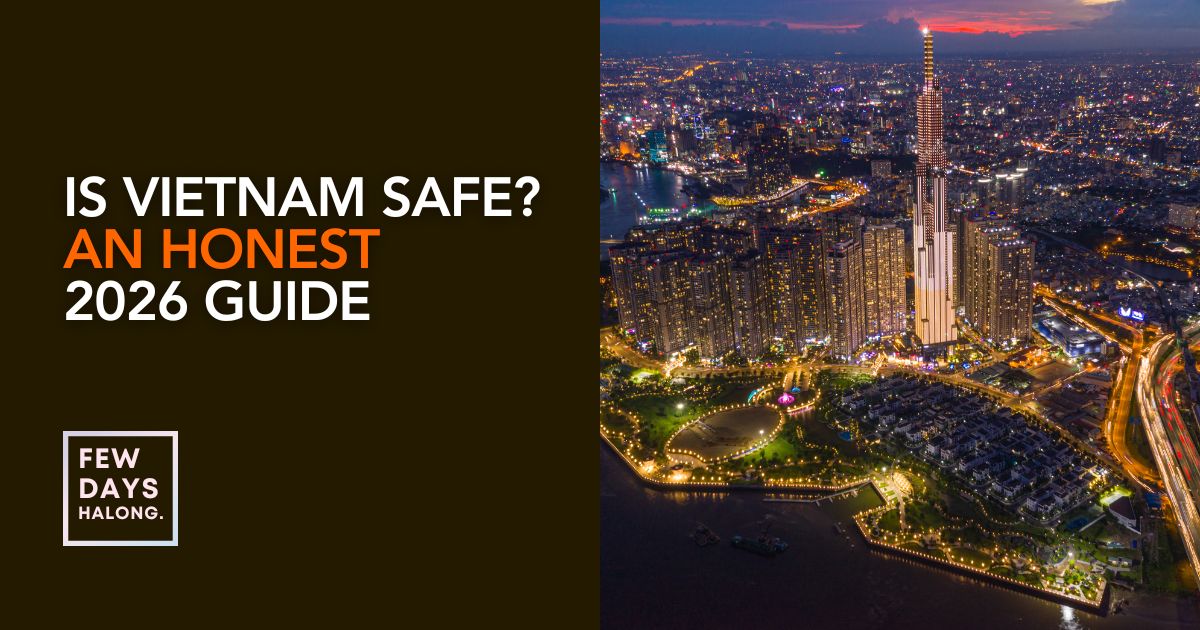
Safety is usually the first question people ask before booking Vietnam, and it is a fair one. The honest answer is reassuring: Vietnam is one of the safer countries in Southeast Asia for travellers, with very little violent crime and a warm, welcoming feel almost everywhere you go. The things that actually catch visitors out are small and avoidable, mostly petty scams, the odd bit of overcharging, and the busy traffic, none of which should put you off.
Below is our honest, up-to-date guide to staying safe in Vietnam in 2026: what the real risks are, the scams worth knowing about, how safe it is for solo travellers and women, and the simple habits that keep a trip smooth. If you also want the money side, our guide to ATMs, cash and cards in Vietnam pairs well with this one.
So, is Vietnam safe to visit?
Yes, and more so than many people expect. Violent crime against tourists is rare, and you can walk around cities and towns, eat at street stalls and use local transport without any real worry. The country is politically stable and used to visitors, and most travellers come away saying they felt safe throughout. As anywhere, a little common sense goes a long way, but Vietnam is not a place where you need to be on edge.
Crime and personal safety
The crime that affects travellers is almost all petty rather than violent. Pickpocketing and bag-snatching happen in the busy parts of the bigger cities, particularly Ho Chi Minh City, and phones are the favourite target. Keep valuables out of sight, wear a bag across your body on the side away from the road, and do not hold your phone loosely while standing near traffic. Do that and the odds of any trouble are very low. Assaults and serious crime against tourists are uncommon, and the everyday atmosphere is relaxed and friendly.
The scams worth knowing about
Most problems visitors have are minor scams and overcharging rather than crime. The common ones are easy to sidestep once you know them: taxi drivers taking a long route or running a rigged meter, being quoted an inflated price and then charged more, motorbike hire shops claiming pre-existing damage on return, and cyclo or street sellers naming one price and demanding another. Agree every price before you get in or buy, use reputable taxi firms or the Grab app so the fare is fixed in advance, and photograph any hired motorbike before you ride off. None of these are dangerous, just annoyances that a little care avoids.
Traffic: the real thing to respect
If anything is the genuine risk in Vietnam it is the traffic, not crime. The roads are busy and the flow of motorbikes can look chaotic at first. Crossing the road is the daily test: the trick is to walk slowly and steadily so riders can read your path and flow around you, rather than dashing or stopping suddenly. If you plan to ride a motorbike yourself, be honest about your experience, always wear a helmet, and remember that minor spills are the most common cause of trip mishaps. Many travellers happily leave the driving to others, and a private car and driver takes the question away entirely.
Is Vietnam safe for solo travellers and women?
Yes. Vietnam is a popular and well-trodden destination for solo travellers, including solo women, and most report feeling comfortable and welcome. The usual sensible habits apply: keep an eye on your drink, take a Grab rather than an unmarked taxi late at night, dress modestly at temples and in rural areas, and trust your instincts if a situation feels off. Harassment is not a major issue, though the odd bit of unwanted attention can happen as anywhere. On the whole, women travelling alone or together find Vietnam friendly and straightforward.
Food, water and health
Street food is one of the joys of Vietnam and is generally safe, especially at busy stalls with a high turnover where everything is cooked fresh in front of you. The main things to watch are the tap water, which you should not drink (stick to bottled or filtered, and be a little wary of ice in very rural spots, though it is fine in cities and tourist areas), and easing into the spicier, richer food rather than diving straight in. A basic first-aid kit and hand sanitiser cover most eventualities. Good travel insurance that includes medical cover is well worth having, as private clinics in the cities are good but not free.
Weather, sea and the outdoors
Nature is worth a thought when planning. Vietnam has a rainy season and the occasional typhoon, mainly affecting the centre and north from roughly August to November, which can disrupt boat trips and mountain roads, so it pays to keep plans flexible then. On Ha Long Bay, reputable cruise operators follow harbour authority guidance and will not sail in genuinely bad weather. In the sea, watch for currents at open beaches and swim where locals do. On treks in places like Sapa, a local guide and proper footwear make all the difference.
Emergencies and getting help
It is unlikely you will need them, but it helps to know the basics. The general emergency numbers in Vietnam are 113 for police, 114 for fire and 115 for an ambulance, though in practice your hotel or accommodation is often the fastest route to help and can translate and point you to a good clinic. The larger cities have well-regarded international medical centres, and pharmacies are widespread and helpful for minor ailments. Keep your accommodation's address written down or saved, note your insurer's assistance line, and if anything does go wrong, staff at hotels and reputable tour operators are used to helping visitors and will usually sort it quickly.
The simple habits that keep you safe
Almost everything comes down to a handful of easy habits. Agree prices before you commit, use Grab or known taxi firms, keep your phone and bag secure near traffic, cross the road slowly and steadily, drink bottled water, and take out travel insurance before you go. Keep a copy of your passport and a note of your accommodation, and keep the bulk of your cash in the hotel safe. Get these right and the small risks shrink to almost nothing, leaving you free to enjoy the trip.
So, how safe is Vietnam really?
Very safe, for the vast majority of travellers. The serious dangers people sometimes imagine simply are not a feature of a normal Vietnam trip; the real irritations are minor scams and busy roads, both easily managed. Tens of thousands of visitors travel the length of the country every year without incident, and most wish they had worried less beforehand. Come prepared with a few sensible habits and Vietnam rewards you with one of the friendliest, most rewarding trips in the region.
How we take the worry out
Part of travelling with a planner is that the safety questions are handled quietly in the background before you go. As private planners, we carefully craft each trip around you, using drivers, guides and cruise operators we know and trust, so the taxi, the boat and the transfers are all sorted and you are never left guessing on a street corner. Our private Vietnam itinerary planning takes care of the logistics, our guide to how much a trip to Vietnam costs covers the budget, and our tipping guide handles the small social details.
Common questions about safety in Vietnam
Is Vietnam safe for tourists in 2026?
Yes. Vietnam is one of the safer countries in Southeast Asia for travellers, with very little violent crime and a friendly, welcoming feel. The main things to watch are petty scams, occasional overcharging and the busy traffic, all of which are easy to manage with a little common sense.
What are the most common scams in Vietnam?
The usual ones are taxi drivers taking long routes or rigging the meter, inflated prices that change at payment, motorbike hire shops claiming pre-existing damage, and street sellers switching a price. Agree every price in advance, use reputable taxis or the Grab app, and photograph any hired motorbike before you ride.
Is Vietnam safe for solo female travellers?
Yes, Vietnam is a popular and well-trodden destination for solo women, and most report feeling comfortable and welcome. Take a Grab rather than an unmarked taxi late at night, keep an eye on your drink, dress modestly at temples, and trust your instincts. Harassment is not a major issue.
What is the biggest safety risk in Vietnam?
The traffic, rather than crime. The roads are busy and the motorbikes can look chaotic. Cross the road slowly and steadily so riders can flow around you, always wear a helmet if you ride, and consider a private car and driver, which takes the question away entirely.
Can you drink the tap water in Vietnam?
No, stick to bottled or filtered water. Ice is fine in cities and tourist areas but worth being a little wary of in very rural spots. Street food is generally safe, especially at busy stalls where everything is cooked fresh in front of you, so it is one of the highlights rather than a worry.
Do I need travel insurance for Vietnam?
It is strongly recommended. Private clinics in the cities are good but not free, and insurance also covers the occasional minor motorbike spill, cancelled boat trips in bad weather and lost belongings. Take out a policy with medical cover before you travel for real peace of mind.
Planning a trip to Vietnam?
Get your free personalised itinerary ›