Travel Tips
Is Sapa Worth Visiting?
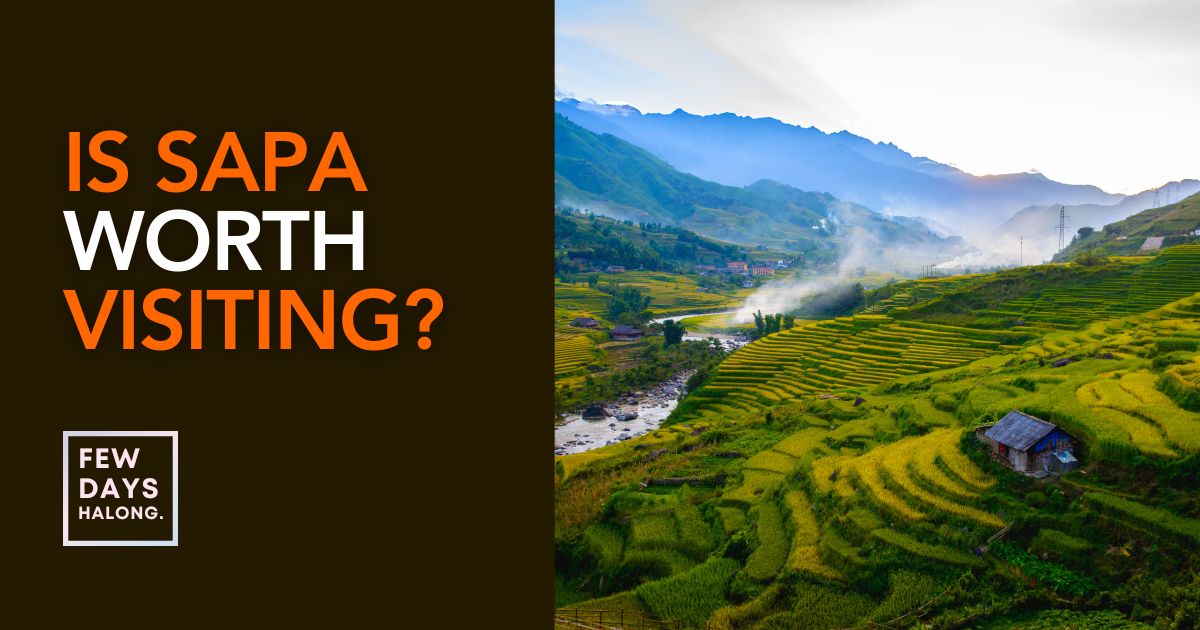
Sapa is the postcard of northern Vietnam's mountains, all rice terraces, misty peaks and hill tribe villages, and it draws travellers up from Hanoi by the busload. So it is fair to ask whether it lives up to the pictures, or whether it has grown too touristy and built-up to be worth the long trip. The honest answer is that Sapa is very much worth it, but only if you go about it the right way, because the version most day-trippers see is the weakest one.
Below is our straight take, from planning trips to the north all year round: why some people come away underwhelmed, why it is still one of the best things you can do in Vietnam, and how to see the real Sapa rather than the traffic and the building sites. If you want it arranged for you, our Sapa tours cover the treks and the valleys with a local guide.
The short answer
Yes, Sapa is worth visiting. The scenery of the Muong Hoa valley, terraced rice fields stepping down the mountainsides with villages tucked among them, is as good as landscape gets in Vietnam, and a day walking through it with a local guide is what people remember for years. Sapa town itself has grown fast and can feel busy and half-built, which is where the too-touristy reputation comes from, but the valleys below are quiet and rewarding. Get out among them, pick your season, and it rarely disappoints.
Why some people are underwhelmed
It is only fair to say why Sapa sometimes falls flat. The town has boomed, with a lot of concrete, construction and traffic, and if you only see the centre you would be forgiven for wondering what the fuss is about. The weather has a big say too: Sapa sits high in the mountains and can be wrapped in cloud for days, so the views come and go. Add a rushed schedule and persistent vendors around the busy spots, and a short, badly timed visit can leave a poor impression. Almost all of that, though, is avoidable.
Why it is still worth it
Once you are out of the town and into the valleys, Sapa comes into its own. Walking the paths between the terraces, past water buffalo and villages where daily life carries on much as it has for generations, is a genuinely moving experience, and the scale of the landscape takes over. A morning trek, a night in a valley homestay, a clear view across the fields at dawn: these are the things that make the long trip worthwhile, and they are a world away from the car parks in town.
The rice terraces and the trekking
The terraces are the main event, and the best way to see them is on foot. Trekking routes run through the Muong Hoa valley to villages like Lao Chai, Ta Van and Ta Phin, from gentle half-day walks to longer treks with a homestay overnight, and there is a level to suit most people. The walking is what separates a real Sapa visit from a drive-by, because it gets you down among the fields and the villages rather than looking at them from a viewpoint. A good local guide, ideally from one of the hill tribes, turns a nice walk into something you understand.
The hill tribes and the culture
Sapa is home to several ethnic minority groups, among them the Hmong, Red Dao and Tay, and their villages, markets and traditions are as much a reason to visit as the scenery. Meeting people on their own ground, seeing the weaving and the indigo dyeing, and staying overnight in a family homestay give the trip a depth that the views alone do not. It is worth being a thoughtful guest, buying directly and treating the encounter as a real one, and a good guide helps you do that rather than turning it into a spectacle.
Fansipan, if the sky is clear
Rising above the town is Fansipan, the highest peak in Vietnam and indeed Indochina, reachable these days by a cable car that climbs to near the summit. On a clear day the views across the mountains are the reward, and the ride itself is quite something. It is popular and can be busy, and on a cloudy day you may pay for the trip and see only fog, so it is best kept flexible and saved for good weather. Serious walkers can still climb it over a couple of days with a guide.
When to go, because the weather matters
Timing matters more in Sapa than almost anywhere else in Vietnam. The rice terraces are green through the summer, turn golden for the harvest in September and October, and fill with water and reflect the sky when they are planted around April and May, each a different kind of lovely. Autumn, roughly September to November, is the sweet spot for clear air and the golden fields. Winter, from December to February, is cold and often thick with cloud, with the odd frost, while the summer brings the greenest terraces but also heavy rain. Whenever you go, allow a little slack for the weather to turn.
Sapa town versus the valleys
The single biggest thing to understand is that the real Sapa is not the town. The centre is where the hotels and the construction are, and where most of the too-touristy feeling comes from. The valleys just below, a short drive or a walk away, are where the terraces, the villages and the quiet are. Basing yourself, or at least spending your days, out in the valleys rather than in the town is the difference between the Sapa people rave about and the one people complain about. Our where to stay in Sapa guide runs through the options.
How long you need, and getting there
Sapa is a long way from Hanoi, five to six hours by road on the expressway or an overnight train to Lao Cai and up, so it is not worth doing as a rush. Two nights is the sensible minimum, which gives you a full day to trek and time to enjoy a valley without the journey swallowing the trip. A day tour from Hanoi is best avoided, as almost all of your time goes on the road. If you are weighing it against the rest of your route, our things to do in Sapa guide shows what fills the days.
So, is it worth it for you?
If you enjoy walking, big landscapes and a bit of culture, Sapa is very much worth it, and two nights with a valley trek is close to a sure thing. If you are short on time, unwilling to walk, or travelling in the depths of a cloudy winter, be realistic that you may see the built-up town and little of the magic, and consider whether the long trip earns its place. For most people who give it a couple of nights and get out into the valleys, it is a highlight of the whole Vietnam trip. If you are unsure whether it fits, the how many days in Vietnam guide helps you weigh it up.
How Sapa fits a wider Vietnam trip
Sapa sits in the far north, usually reached from Hanoi and paired with the capital and Ha Long Bay to make a full northern loop. As private planners, we carefully craft the whole route around you: we judge whether Sapa earns its place in your time, pick the right season and the right valleys, match the trek to how much you want to walk, and handle the train or the transfer so the journey never eats the trip. Our north Vietnam tours page shows how Sapa links to Hanoi, Ninh Binh and the bay, and if you are shaping a longer route, our private Vietnam itinerary planning ties it all together.
Common questions about whether Sapa is worth visiting
Is Sapa worth visiting?
Yes, if you get out of the town and into the valleys. The rice terraces and hill tribe villages of the Muong Hoa valley are among the best scenery in Vietnam, and a trek with a local guide is what makes the long trip worthwhile. Sapa town itself is built-up and busy, which is where the too-touristy reputation comes from.
Is Sapa too touristy?
Sapa town has grown fast and can feel busy and half-built, so the centre can feel touristy. The valleys just below, where the terraces and villages are, stay quiet and rewarding, so spending your days out there rather than in town avoids most of it.
How many days do you need in Sapa?
Two nights is the sensible minimum, given it is five to six hours from Hanoi. That gives you a full day to trek the valley and time to enjoy it without the journey swallowing the trip. A day tour from Hanoi is best avoided, as almost all of the time goes on the road.
When is the best time to visit Sapa?
Autumn, roughly September to November, is the sweet spot, with clearer air and the golden harvest terraces. The fields are green through summer and fill with water around April and May. Winter is cold and often cloudy, and summer brings the greenest terraces but heavy rain, so allow some slack for the weather.
Is the trek in Sapa worth it, or can you just drive?
The trek is what makes Sapa. Walking the paths through the terraces and villages gets you among the landscape rather than looking at it from a roadside viewpoint, and a guide from one of the hill tribes adds real understanding. There are gentle half-day walks as well as longer treks, so there is a level to suit most people.
Is Sapa worth it in the rain or cloud?
It can still be atmospheric, with mist drifting through the terraces, but heavy cloud will hide the wider views and make the paths muddy. If your dates are fixed in a wet or cloudy spell, keep the plan flexible, focus on the villages and the culture, and save Fansipan for a clear day.
Planning a trip to Vietnam?
Get your free personalised itinerary ›